 Book Now
  Text
Text  Call
Call  Shop
Shop Available At
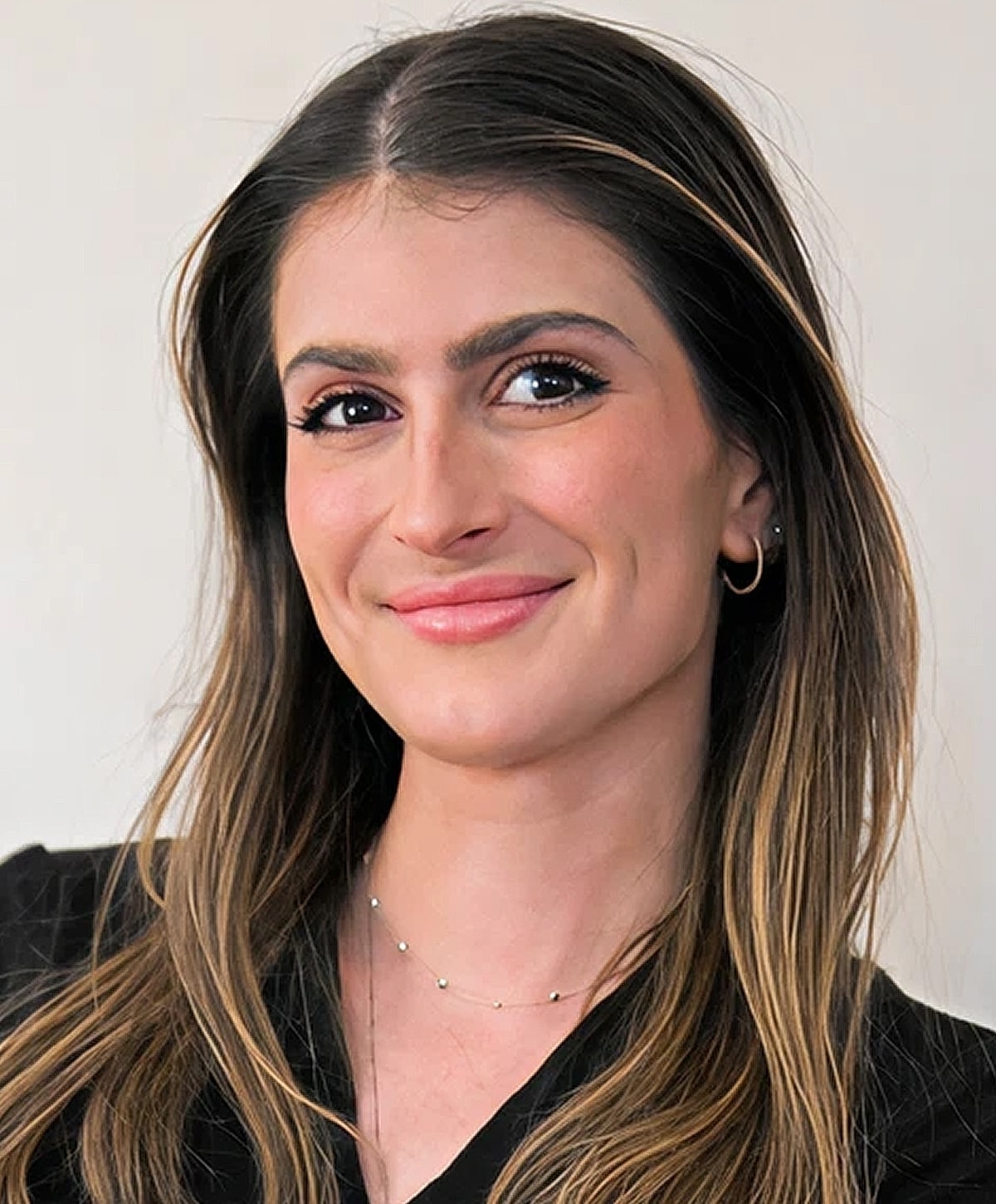
Dermal fillers are injectable gels placed beneath the skin to gently restore volume, refine facial contours, and soften lines. In Los Angeles, many people choose fillers as a non-surgical way to address changes in the cheeks, lips, under-eye area, jawline, and around the mouth while still looking like themselves.
Most modern dermal fillers are made with hyaluronic acid, a substance already found in your skin that helps hold moisture and support structure. Treatments are designed for natural-looking refinement, not drastic change. Your injector will create an individualized plan, use conservative dosing, and review safety, options, and expected results with you during a consultation so you can decide together what feels right for your goals.

Dermal fillers are injectable gels used to restore facial volume, soften folds, and enhance features such as the cheeks and lips. Most dermal filler appointments take less than an hour and are performed in the office with minimal downtime. Treatment plans are tailored to your facial anatomy and priorities after a focused consultation.
Your at-a-glance overview will include key details such as: Treatment type or procedure (non-surgical injectable treatment), Downtime (typically little to none, with temporary swelling or bruising), Results (seen right away and refined over several days as swelling settles), and Duration (often about 6 to 24 months, depending on the filler type, treatment area, and individual factors). The exact expectations for your plan are decided during your consultation, once your injector has examined your features and reviewed your medical history.
Dermal fillers are smooth, injectable gels that are placed under the skin to replace or add volume, refine contours, and soften lines. They are commonly used in areas such as the cheeks, lips, chin, jawline, temples, and the folds that run from the nose to the mouth or from the corners of the mouth toward the chin. Many modern fillers are made with hyaluronic acid, a molecule that already exists in your skin and helps maintain hydration and structure. These treatments can be adjusted over time, and certain hyaluronic acid fillers can be dissolved in the future if a change is needed for medical or aesthetic reasons.
During your visit, your provider selects the filler type, placement pattern, and amount based on your facial structure, skin quality, and goals. The focus is on symmetry, proportion, and natural-looking movement, so your expressions still feel like you. Dermal fillers can be used on their own or planned alongside other treatments, such as wrinkle-relaxing injections or skin resurfacing, as part of a broader approach to facial rejuvenation.

A dermal filler appointment in Los Angeles is a focused medical visit designed to be efficient and comfortable. After a consultation and facial assessment, your provider may take photos, cleanse your skin, and apply optional numbing. Small, precise injections are then placed to support your features, followed by a review of aftercare instructions. Most visits take about 30 to 60 minutes, depending on how many areas are treated.

Your visit begins with a detailed discussion of your concerns, medical history, and any previous injectable treatments. Your provider examines your facial structure at rest and in motion, may take standardized photos, and then outlines a stepwise plan that addresses your priorities. You will review which areas may benefit from filler, what is not recommended, and what kind of change is realistic for your features.
Once a plan is agreed upon, your skin is cleansed thoroughly. Depending on the areas treated and your comfort level, your injector may apply topical numbing cream, use ice, or rely on the built-in anesthetic present in many filler formulations. You will be encouraged to speak up about any discomfort so adjustments can be made in real time.
Using fine needles or flexible cannulas, your provider places small amounts of filler into carefully chosen layers of the skin and soft tissue. They may ask you to smile, talk, or look in different directions to see how your features move. The actual injection portion typically takes 15 to 30 minutes, depending on the number of regions addressed.
After injections are complete, your injector gently smooths the treated areas, checks symmetry, and reviews your early results with you. You will receive clear instructions about what to expect in the first few days, what to avoid, and which symptoms should prompt a call to the office. Follow-up visits may be scheduled to monitor healing and decide whether additional fine-tuning is appropriate.
Dermal fillers can help with many common age- and structure-related concerns, including: • Flattened or sunken cheeks that make the face look tired • Under-eye hollows that create a shadowed or "tired" appearance • Thinning lips or lips that lack definition • Lines from the nose to the mouth (nasolabial folds) • Lines from the corners of the mouth toward the chin (marionette lines) • Early softening of the jawline or mild jowling • Certain shallow acne scars or injury-related contour depressions, when appropriate
These changes often occur as bone, fat, and collagen gradually diminish with age, or when facial proportions are naturally uneven. Dermal fillers work by gently restoring volume where support has been lost, softening static lines that remain even when the face is at rest, and improving balance between features such as the cheeks, chin, and lips. Not every line or area is best treated with filler, and in some situations your provider may recommend alternative or combination treatments if they are safer or more effective for your specific concern.


Dermal fillers are most often used in the midface and lower face, including the cheeks, lips, nasolabial folds, marionette lines, chin, jawline, and sometimes under-eye hollows and temples, depending on your anatomy and safety considerations. During your consultation, your provider will examine each area you are considering and confirm whether filler is appropriate or if another approach would better match your goals.
Patients in Los Angeles often choose dermal fillers for several key reasons: • Non-surgical, office-based treatment with no incisions • Immediate visible improvement in volume and contour • Customizable dosing and placement for specific features • Ability to address multiple areas in a single visit when appropriate • Adjustable over time, with the option to build results gradually
Results vary by person, treatment area, and the amount of filler used. Even subtle changes can make the face look more rested, more balanced, or more hydrated. Your injector will plan your treatment to help avoid an overfilled look, using safety-minded, conservative dosing and scheduled follow-ups when needed. The goal is to support your features in a way that still feels like you, while respecting the limits of what filler can safely and realistically achieve.
Good candidates for dermal fillers are adults who are bothered by volume loss, etched lines, or thin lips and prefer a non-surgical option. Ideal patients are in good general health, do not smoke heavily, and understand that fillers provide temporary, adjustable results rather than the structural change of a surgical facelift. Many people choose fillers when they want to look more rested or refined without a dramatic shift in their appearance.
Dermal fillers may not be suitable if you are pregnant or breastfeeding, have certain allergies or autoimmune conditions, have an active skin infection in the treatment area, or have uncontrolled medical problems. People with a history of severe reactions or serious complications from fillers require special evaluation and may be advised to avoid treatment. It is important to share your full medical history, including medications and supplements that can increase bruising, so your provider can weigh the risks and benefits. Honest conversations about what fillers can and cannot do help set healthy, realistic expectations.


Preparing for dermal fillers usually involves a few simple steps. When medically approved by your prescribing clinician, you may be asked to avoid certain blood-thinning medications and supplements that can increase bruising, and to limit alcohol for several days before treatment. It is wise to schedule your appointment at least 1 to 2 weeks before important events in case bruising occurs. On the day of your visit, arrive with clean skin free of makeup, and be ready to review your goals, medical history, and any recent procedures with your injector.
After treatment, mild redness, swelling, tenderness, or bruising at injection sites is common and usually improves over several days. You will typically be advised to avoid strenuous exercise, saunas, very hot showers, and facial massage for the first 24 to 48 hours, and to avoid pressing on the treated areas. Some patients are asked to sleep with their head slightly elevated the first night. Most people return to daily activities right away. Your provider will review which symptoms are expected and which are not, and will instruct you to contact the office promptly if you notice severe pain, mottled or significantly discolored skin, or any vision changes, as these can be signs of a rare but serious complication that requires urgent medical attention.
Most patients notice changes from dermal fillers right away, since the gel adds volume as soon as it is placed. In the first 3 to 7 days, initial swelling and minor asymmetries usually settle, and the results appear more refined. The lips, in particular, may look fuller and more swollen for the first couple of days before softening into their intended shape. Your injector may recommend a follow-up visit around 2 weeks after treatment to assess how everything has settled.
How long dermal fillers last depends on several factors, including the specific product used, the treatment area, your metabolism, and lifestyle habits. In general, results often last about 6 to 24 months, with movement-heavy areas such as the lips tending to fade sooner than the cheeks or jawline. Many people schedule maintenance visits when they notice a gradual decrease in volume rather than waiting for the filler to completely wear off. Your provider will discuss how long dermal fillers typically last in your planned areas and suggest a personalized maintenance schedule that fits your goals and comfort level.

Our practice approaches dermal fillers as both a medical procedure and a form of subtle facial artistry. Each treatment begins with careful facial analysis, attention to proportion and harmony, and a discussion of how to support your existing features rather than change them completely. We rely on evidence-based techniques and prioritize smooth expression and natural-looking outcomes over short-lived trends.
All injections are performed by medically trained providers who place patient safety and informed consent at the center of care. Risks, benefits, and alternatives are reviewed before treatment, and we often recommend building results gradually instead of using large volumes at once. You are encouraged to ask questions at every step, and follow-up visits are available to review your results, address any concerns, and fine-tune your plan when appropriate.
The cost of dermal fillers in Los Angeles varies based on several factors, including the type of filler used, the amount of product required, the number of areas treated, and the experience and training of your injector. Some treatment plans focus on a single feature, such as the lips, while others address multiple regions like the cheeks, folds, and jawline. You will receive a personalized estimate after your consultation, once your provider understands your goals and recommends a specific approach.
Hyaluronic acid dermal fillers have an established safety record when used by trained medical injectors who understand facial anatomy and follow sterile technique. Common side effects include temporary redness, swelling, tenderness, and bruising at injection sites. Less common risks include lumps, asymmetry, or infection. Rare but serious complications, such as blood vessel blockage or vision changes, can occur, which is why a thorough consultation, careful technique, and prompt follow-up for any concerning symptoms are essential.
Certain hyaluronic acid fillers can be dissolved using an enzyme called hyaluronidase when medically appropriate. This medication can help soften or remove filler in specific areas if there is a safety concern or if you and your provider decide that an adjustment is needed. Not every filler type is reversible, so it is important to discuss which products are being used and what options are available before treatment.
Dermal filler results typically last somewhere between 6 and 24 months, depending on the formulation, the location in the face, how much product is placed, and your own metabolism and lifestyle. Areas that move a lot, such as the lips and areas around the mouth, often fade more quickly than less mobile regions like the cheeks. Many patients schedule maintenance visits when they notice gradual softening of their results, which allows for smaller touch-ups rather than starting over.
Most patients describe dermal filler injections as briefly uncomfortable but tolerable. To make treatment easier, your provider may use topical numbing cream, ice, or fillers that contain a local anesthetic. You may feel pressure, a pinch, or a mild burning sensation during some injections, especially in sensitive areas such as the lips, but these feelings are usually short-lived. Your injector will work at a pace that respects your comfort and can pause as needed.
Dermal fillers are often part of a broader, coordinated plan that may include neuromodulator injections, skin resurfacing, or medical-grade skincare. Combining treatments can address different aspects of aging, such as volume loss, fine lines from muscle movement, and skin texture or tone. The timing and sequence of these procedures are planned carefully to support safe healing, so it is important to share all recent and upcoming treatments with your provider during your consultation.